MOSS Energy Systems
Industrial steam, process heat, energy saving gasification, boiler and cogeneration systems. Contact us for info!.
MOSS Co - Energy Systems Division
Landfill/Natural Gas Fired CHP Turbine Systems
Moss Combined Heat and Power (CHP) turbine systems is an efficient energy solution that generates power and thermal energy simultaneously from a single fuel source (landfill, biogas, sewage, furnace, natural and coal gases). Several of these fuels are considered renewable and originate from the degradation of organic matter by micro organisms. Combined Heat and Power (CHP), also called cogeneration, simultaneously generates power and thermal energy by recycling the captured heat from the electricity production into useful thermal energy (steam, hot water, thermal fluid or chilled water). Our system can be installed in an area close to a landfill or in industrial or large commercial facilities. In addition to our waste gas systems, Moss can also provide a more traditional natural gas turbine system that can be used in medical, institutional, government and research buildings that have critical day-to-day operations for both thermal energy and electricity, which have traditionally been produced in two separate processes. By delivering a localized, uninterrupted and efficient energy supply, CHP reduces fuel requirements, avoids greenhouse gas emissions, saves money and reduces exposure to market fluctuations and severe weather. Moss cogeneration projects are typically for continuous base load power generation where the generator runs continuously throughout the year. On the other hand, gas turbines can be used to provide peak topping or emergency power capability where a rapid response is required to cope with fluctuations in power grid requirements. Our facilities deliver fuel efficiency and help reduce carbon emissions.
Gas Fired Reciprocating Engine and Heat Recovery Unit
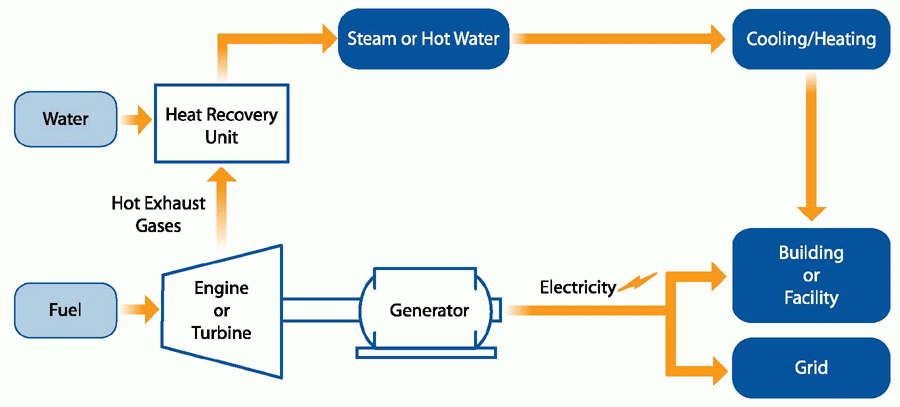
Moss gasifier CHP systems provides:
- Onsite generation of electrical and/or mechanical power
- Waste heat recovery for heating, cooling, chill water or process applications
- Seamless system integration for a variety of technologies, thermal applications and fuel types into existing system infrastructure.
Moss CHP technology can be installed in a wide variety of industries or facilities nationwide including:
- Biomass processors: Sawmill, dry kiln, plywood, pellet plants, pulp and paper
- Industrial manufacturers: Chemical, refining, ethanol, food processing, packaging, rendering (any large manufacturing or processing plants)
- Data centers and communication hubs
- Institutions: Colleges and universities, hospitals, prisons, military bases, government buildings
- Municipal: District energy systems, landfills, wastewater treatment facilities, K-12 schools, parks
- Waste and recycling companies
- Islands and remote locations
A number of site specific factors will determine if a Moss CHP may be a good technical and economical fit for your facility.
Benefits of a Moss CHP system:
Moss CHP systems provides efficiency, reliability, environmental and economic benefits that include:
- Efficiency benefits: CHP requires less fuel to produce a given energy output and will avoid transmission and distribution losses that occur when electricity travels over traditional power lines.
- Reliability benefits: CHP can be designed to provide high quality electricity and thermal energy (steam, hot water or thermal fluid) to a site regardless of what might occur on the electrical grid, which decreases the impact of electrical outages while improving power quality for sensitive equipment.
- Environmental benefits: Because less fuel is burned to produce each unit of energy output, our CHP system reduces air pollution and greenhouse gas emissions.
- Economic benefits: CHP can save facilities considerable money on their energy bills due to its high efficiency, low fuel cost and provides a hedge against unstable energy cost in the future.